

Understanding Cat Shedding: Why Do Cats Molt & How to Manage It
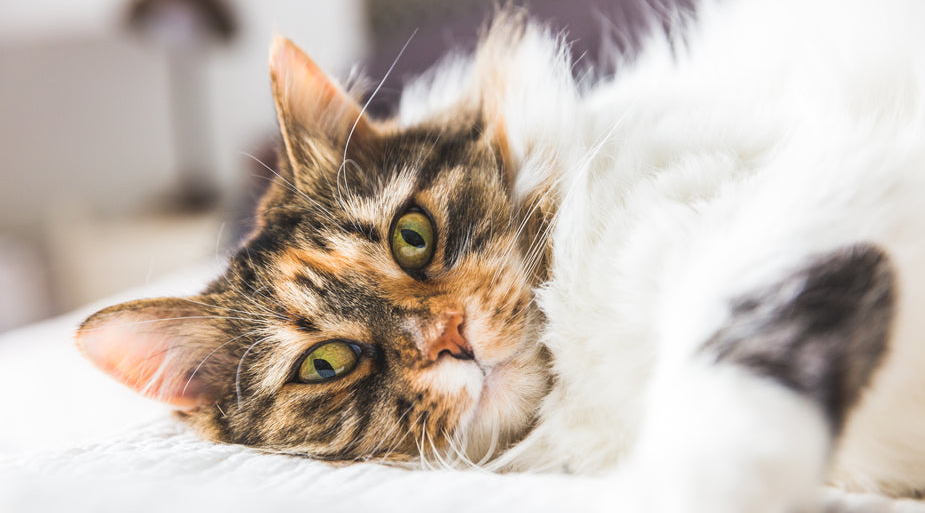

Cats, those graceful and enigmatic companions, often leave behind a trail of fur—especially during certain times of the year. This natural process, known as molting or shedding, serves essential purposes in a cat’s life. Whether you're a first-time cat owner or a seasoned feline lover, understanding why cats shed, the science behind it, and how to reduce cat shedding can greatly enhance your pet parenting experience.
🐾 Looking for a pet memorial for a beloved cat? Check out LifeSong Pets’ cat memorial gifts for meaningful keepsakes.
🐱 Why Do Cats Molt?
Molting is the natural shedding of old or damaged fur to make way for new growth. It’s influenced by biology, seasons, health, and environment.
1. Seasonal Changes
Cats typically shed more in spring and fall. As the weather warms, they lose their thick winter coat. In cooler months, they prepare for the cold by shedding and regrowing a denser coat.
2. Body Temperature Regulation
Shedding helps regulate body temperature. A thinner summer coat prevents overheating, while a thicker coat in winter retains warmth.
3. Hormonal & Environmental Factors
Changes like pregnancy, reaching maturity, or even stress and diet can trigger increased shedding. Health conditions, such as parasites or allergies, can also play a role.
🔬 The Science Behind the Shedding Cycle
Cats go through three fur growth stages:
-
Anagen – active hair growth
-
Catagen – transition phase
-
Telogen – resting phase (when shedding occurs)
While some cats shed year-round, indoor cats may have less dramatic seasonal molts due to artificial lighting and temperature control.
✅ Tip: If your cat’s shedding suddenly increases or is paired with bald patches, consult your vet.

✂️ How to Manage Cat Shedding
While cat shedding is natural, you can take steps to reduce loose fur and keep your home cleaner.
1. Regular Grooming
Brush your cat at least once a week, or more often for long-haired breeds. Tools like the FURminator de-shedding tool help remove loose hair effectively.
Recommended brushes:
-
Slicker brushes (for long-haired cats)
-
Rubber grooming mitts (for short-haired cats)
2. Nutrition Matters
Cats need high-quality food rich in omega-3 and omega-6 fatty acids for a shiny, healthy coat. Consider cat foods with fish oil, flaxseed, and biotin.
🐟 Explore Hill’s Science Diet for sensitive skin and coat support.
3. Hydration Helps
Dehydrated skin leads to more shedding. Ensure your cat has constant access to fresh water, and consider incorporating wet food into their diet to increase moisture intake.
4. Vet Check-Ups
Routine veterinary check-ups help catch early signs of skin conditions, allergies, or nutritional deficiencies that can lead to excessive hair loss.
🧼 Cleaning Tips: Controlling Cat Hair in the Home
🧹 Vacuum & Sweep Often
Use a pet-specific vacuum cleaner like the Dyson Animal Series to clean furniture and rugs.
👕 Use Lint Rollers
Quickly remove hair from clothes and upholstery with lint rollers, sticky tape, or reusable silicone brushes.
🧺 Wash Bedding Weekly
Clean your cat’s bedding and blankets regularly to reduce fur build-up.
🌬️ Use an Air Purifier
Air purifiers with HEPA filters can reduce airborne dander and improve indoor air quality—great for allergy sufferers.
❤️ Final Thoughts: Embracing Cat Shedding
Cat shedding, or molting, is a normal part of feline life. With a little effort and the right strategies, managing shedding can be simple. By understanding the causes, keeping up with grooming and diet, and staying proactive, you can ensure a healthy coat for your cat and a cleaner home for yourself.
🛒 Need personalized cat décor or memorial gifts? Visit LifeSong Pets for beautiful handcrafted items that honor your feline friend.
📌 Frequently Asked Questions (FAQs)
Q: Is it normal for cats to shed year-round?
Yes, especially indoor cats exposed to artificial lighting.
Q: How can I reduce cat hair in my home?
Groom regularly, vacuum often, and wash bedding weekly.
Q: What foods help reduce shedding?
Look for foods rich in omega-3 fatty acids, such as salmon-based or skin & coat formulas.
Leave a comment
Comments will be approved before showing up.
Also in Blogs




Creating New Traditions: Memorial Candle Lighting Ceremonies
Discover how to create meaningful memorial candle lighting ceremonies to honor loved ones. Learn about choosing the perfect personalized candle holders and lanterns, establishing family traditions, and finding comfort through remembrance.


Christmas Ornaments for Loved Ones Lost: Keeping Memories Alive
Discover beautiful memorial Christmas ornaments to honor loved ones who have passed. Handcrafted in the USA from solid hardwood, these personalized keepsakes help keep precious memories alive during the holiday season.